
Active Directory Password Audit
Book a free no obligation informal chat
Actionable Data to Enhance and Tailor Security Awareness Training

An organisation’s security is only as strong as its weakest link which more often than not is the employees. Poor password choice still sits extremely high on the top most common origin points of breaches and provides a low barrier of entry into an organisation when no additional authentication controls are in place. Even with additional controls, it often makes an attacker’s job harder but doesn’t fully restrict access to all available company data.
Ensuring only strong passwords are used across an organisation is the dream but in reality, it is an ongoing training and educational battle that most CISOs will know only too well. All the while, the trust is on the employees to make sure they are using unique and “strong” passwords and as we all know, trusting employees in security matters is often not the best option.
Oxford Systems offers an Active Directory Password Audit service which aims to shift some of the trust and responsibility off of the employees and instead place it with the internal IT / security team. This is a regular service which is designed to rotate along with your current organisational password policy. The passwords of users across the estate are assessed to identify weak passwords that are currently in use by employees and importantly trends across the organisation, such as:
Common words and themes
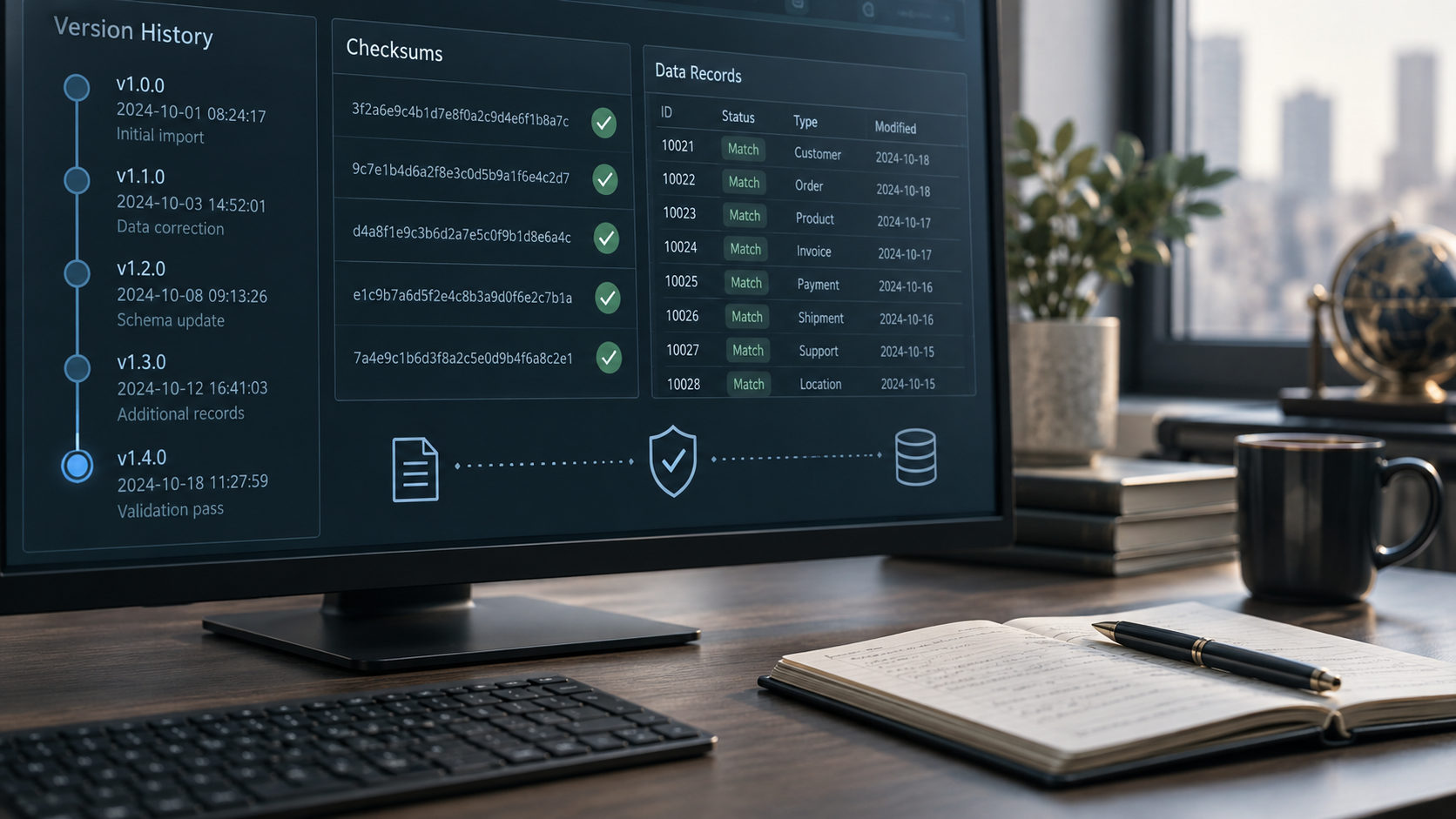
Passwords based on familiar words, company names, products or dates can be easier to predict than users expect. Reviewing common themes helps identify where password choices follow the same ideas across the assessed accounts. The findings give your security team a clearer basis for explaining which choices create avoidable risk and where staff guidance needs to be more specific.
Managers can use these trends to focus awareness training and review whether technical controls discourage commonly used or organisation-specific passwords. The objective is to make safer choices easier for staff, combining practical guidance with appropriate password protection. Report recurring themes in aggregate so leadership can understand the issue without circulating individual passwords.
Password repetition
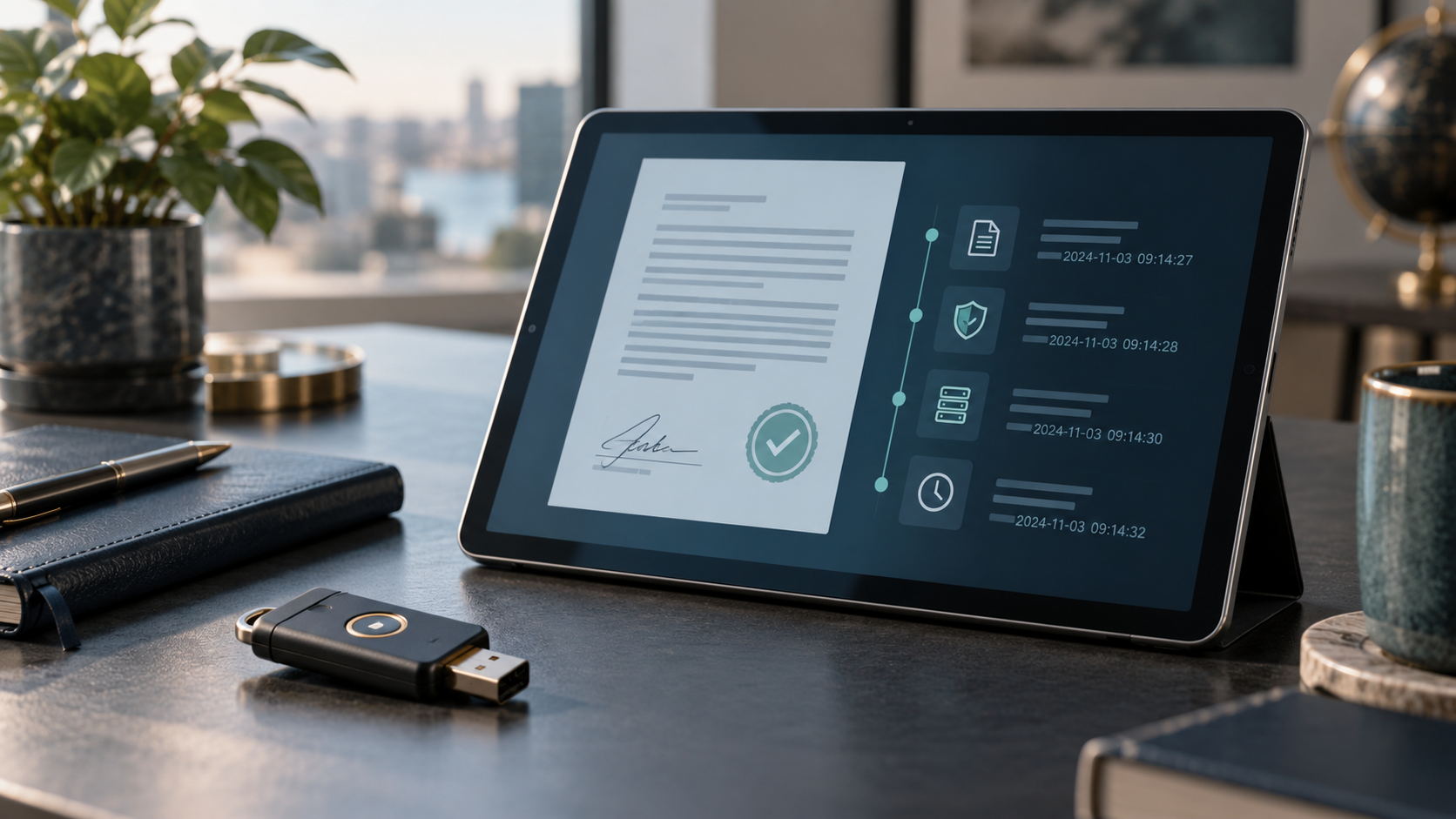
Using the same password for several accounts can allow one exposed credential to put more than one account at risk. An audit can identify identical passwords among the accounts assessed, helping your IT team understand where repetition is concentrated. Findings should be interpreted within the agreed audit scope; they do not establish whether the same passwords are used on external or personal services.
Prioritise remediation according to the access each affected account provides, with particular attention to privileged and business-critical accounts. Give staff practical support for maintaining unique passwords, such as an approved password manager, and review additional authentication controls where appropriate. Account owners and IT managers should coordinate changes to reduce disruption while addressing the risk.
Password structural patterns

A password can satisfy a complexity rule and still follow an easily guessed structure. Predictable substitutions, a familiar word with a number added, or small variations on an earlier choice can produce a pattern that offers less protection than users assume. Analysing these structures helps distinguish the appearance of complexity from stronger, less predictable password choices.
The findings can guide a review of password policy and staff advice, including support for longer, unique passwords and approved password management tools. Managers should consider how existing rules influence user behaviour and whether they encourage predictable workarounds. Use the audit to set practical improvement priorities, then review later findings to see whether those patterns are becoming less common.
Trends over time

The purpose of this services is to identify critically weak accounts in order for passwords to be immediately rotated as well as to guide staff security awareness training and password policy. In establishing trends and statistics in the form of raw data and graphs from the passwords obtained, it is possible to build invaluable insight into your organisations weakest link and ensure you are well armed for the ongoing security education battle.
Discuss your password audit
Tell us about your Active Directory environment, password policy and the outcomes you need from an audit. We will agree the scope, secure handling of audit information and reporting arrangements with you.
Request a no-obligation quote